

How Marvel Comics fooled comic book censors by turning Vampires into Dinosaurs - matthewsbuls2001
How Marvel Comics fooled drama book censors by turning Vampires into Dinosaurs
The base-credits scene of Maliciousness: Let There Be Carnage opens up some interesting possibilities for the upcoming of Sony Pictures' budding Spider-Man adjacent film existence, which next expands with January 28, 2022's Morbius, supported the infamous Marvel lamia.
The film's previously discharged trailer shows strong horror motion picture elements involved in scientist Michael Morbius' shift into a so-called 'Living Vampire' - along with achievable connections to the Marvel Cinematic Universe, which Crataegus laevigata or may not survive in the same continuity as Sony's films at this point.
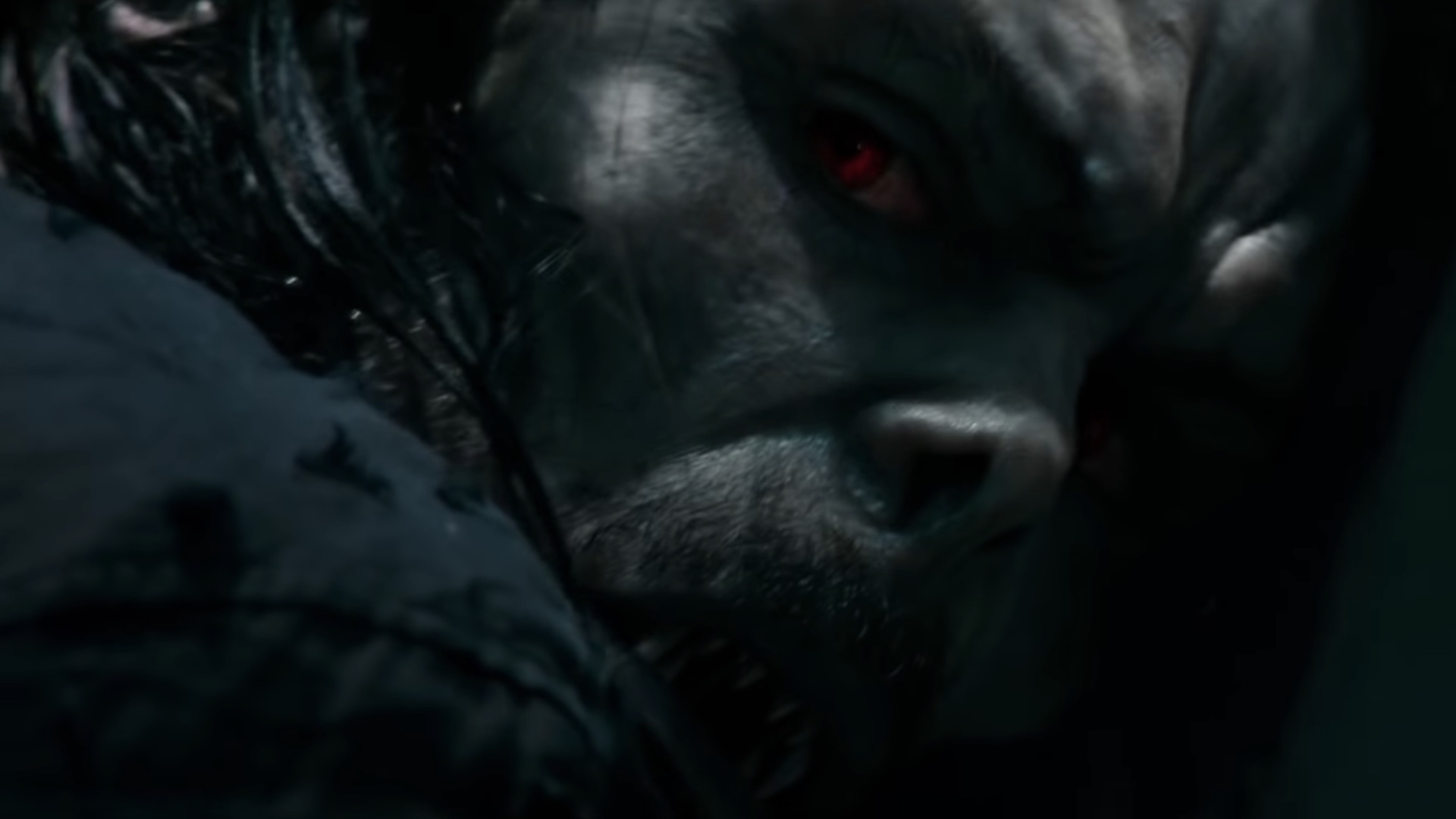
Disdain being more of a craze favorite than a household name, Morbius the Living Vampire holds a special place in Marvel lore.
Though Marvel Comics featured lamia characters in its first days as Timely Comics and its subsequent Atlas Comics era, the 1954 carrying out of the Comics Codification Authority out the depiction of the undead in comics, including zombies and vampires.
Morbius is the first fictitious character to personify billed directly as a vampire in the Marvel Universe 17 years after the implementation of the CCA (hence Morbius' caveat of being a 'Living' lamia). But Morbius International Relations and Security Network't Marvel's first attempt to skirt around the censoring rules of the era.
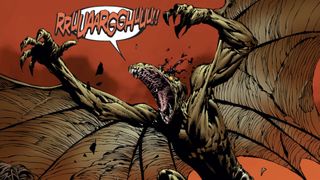
In point of fact, Marvel's first-class honours degree big vampire villain wasn't technically a vampire at all - but a dinosaur.
How and why did Marvel decide a dinosaur-human-hybrid monster was the right choice to depict a non-vampiric vampire? And why is a vampire dinosaur so freakin' awesome?
We can answer the first question - but the latter should Be obvious already.
So put on your Alan Grant style hat and your Ellie Sattler khaki shorts and get ready to work paleontologist as we dig into the bones of Marvel's vampire dinosaur, Sauron, and the destiny that led to his creation.
Vampiresaurus Male monarch
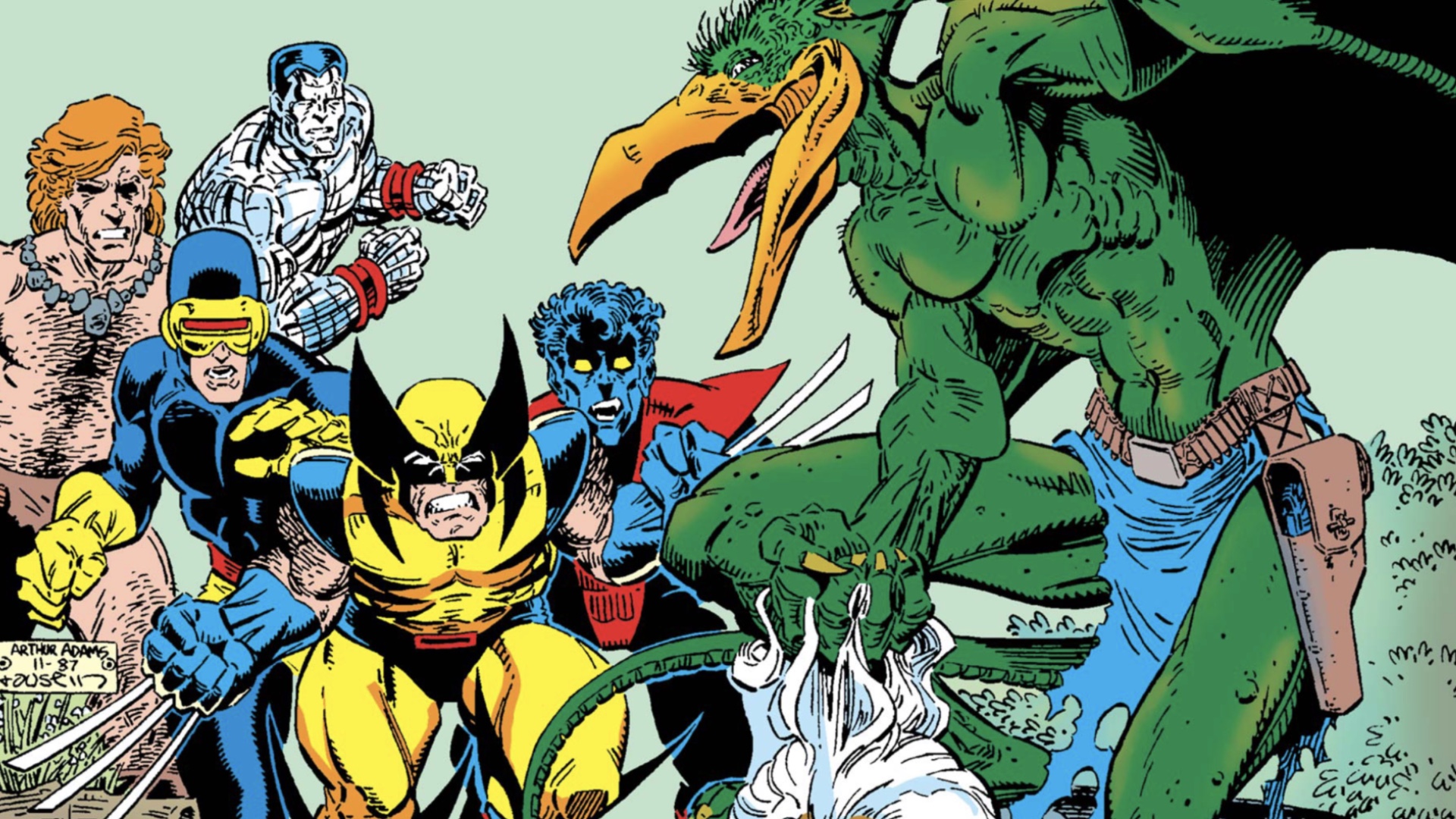
Rightfulness off the clobber (commence it?) you may be asking, why couldn't Marvel just use a vampire in their comic books - especially if they had done information technology before.
In the '50s, mainstream comic books underwent a period of aggravated scrutiny in which popular psychologists began analyzing and blaming comic books for a detected increase in societal ills and immorality (at any rate according to the ideals of the time). Similar to what modern fans have witnessed with alarmism terminated violent video games or certain genres of euphony, mirthful books began taking the blame for changing cultural attitudes.
The result was the 1954 implementation of the Comics Code Authority, a organization alike to the Motion Picture Association of America's ratings board, which analyzed and expurgated comic books of all genres, and ultimately gave its seal of favorable reception to those that met its stringent content standards.
The CCA's regulations included prohibiting the depiction of explicit violence, sexuality, and drug use in comics, but the limits didn't stop at that place. Along with these arguable topics, the CCA went until now as to ban the depiction of numerous fantasy and sci-fi elements it deemed inappropriate - including straight-up banning the depiction of common horror monsters such equally vampires and werewolves.
Maybe they view kids would go from tying towels around their necks to bring up Superman to literally drinking blood and extraordinary under a full-of-the-moon? Some of the actual assertions brought about by the moral panic over comic books aren't too Interahamw inactive from such crack fears.
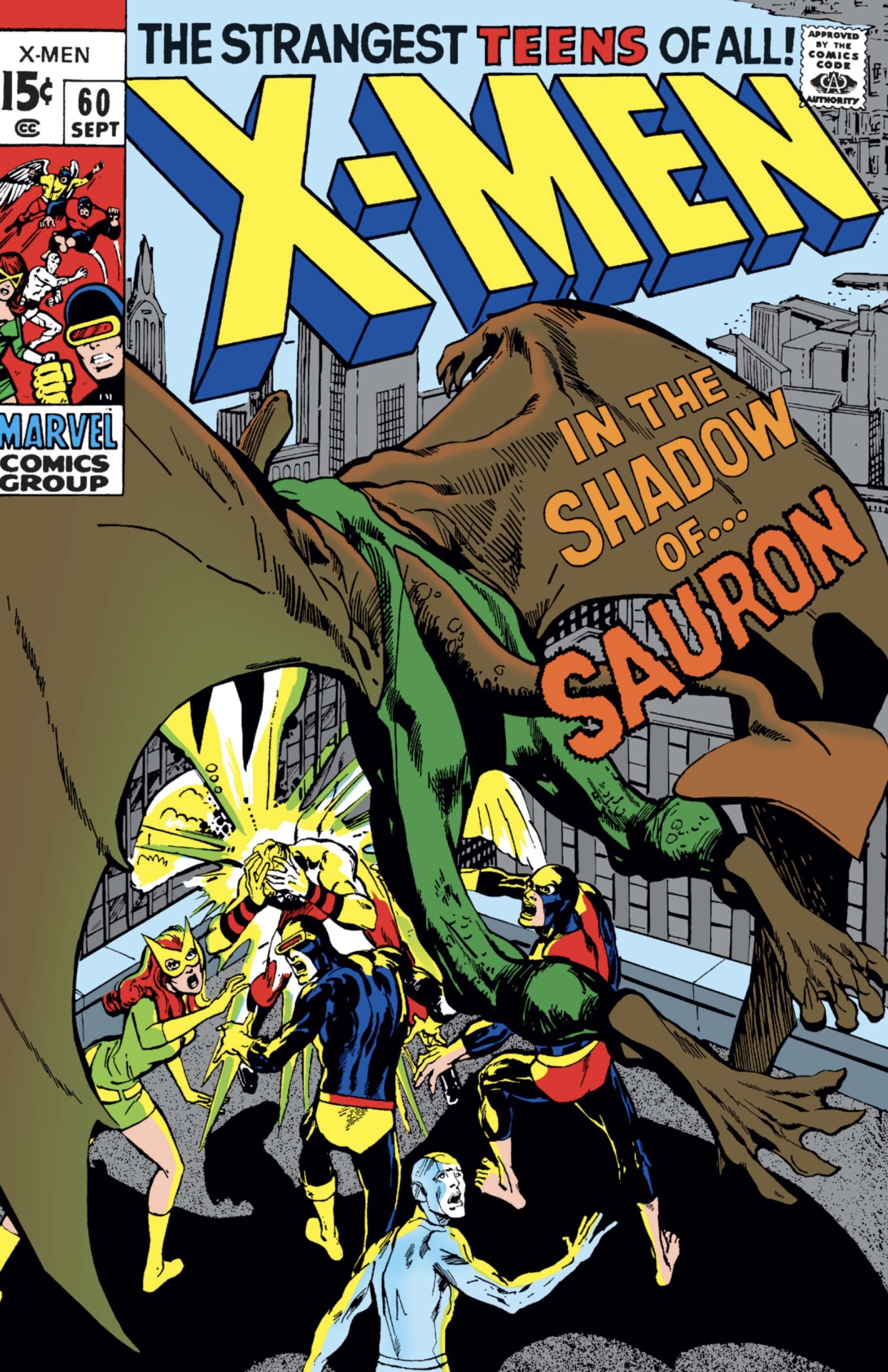
But in the late '60s, Marvel Comics - ever the innovators - found a way of life to jab into some of these banned ideas without losing the certificate of the CCA stump that code-approved comic books bore on their covers for decades: they'd use dinosaurs.
When writer Roy Thomas and artist Neal Adams took complete the Uncanny X-Men deed of conveyance in the late '60s, Thomas set just about revamping the team's adventures and adding roughly new antagonists for the X-Men to defend. Settling on his interest in vampires for breathing in, Dylan Thomas brought in the concept of Karl Lykos, AKA Sauron - a villain with the vampiric power to drain the lifeforce of his victims to sustain himself (pay no aid CCA, no more blood-crapulence going on here!).
But despite efforts to distinct the construct of a vampire from the aspects of vampire mythology that were and so in violation of the Comics Inscribe, Adams' mutated bat-alike design for the case was deemed to bring the concept as well juxtaposed to an actual vampire for the CCA's console, necessitating design changes to make Sauron acceptable.
Doubting Thomas and Adams took the main feature of their bat-creature - his massive, leathery wings - and twisted the rest of the design to resemble a pteranodon, a winglike, crested dinosaur in the pterosaur phratr of great reptiles (for the paleontologists among us, we'll take this instant to acknowledge that pterosaurs aren't technically dinosaurs, despite their cultural associations).
Taking the design away from a bat-inspired direction also allowed St. Thomas and Adams to give Sauron even more vampire-like powers, establishing that the villain turns into his dinosaur-like form after absorbing animation impel, and adding a hypnotic stare to his arsenal.
And with that, Thomas and Adams had found the way to back the Comics Code Authority's guidelines against revulsion characters - away loss in a all unannounced focal point and fashioning their bat monster into a dastardly dinosaur (we know, we get it on - flying reptile).
Sauron (whose name is taken from JRR Tolkien's Lord of the Rings - Sauron himself equal says indeed happening the page) debuted in 1969's Eldritch X-Workforce #60, loss on to get on a recurring villain for the X-Men with appearances in cartoons and video games, and even a place of honor every bit one of the first figures released in the beloved '90s Toy Biz X-Men carry through figure line.
Oddly enough though, Adams and Dylan Thomas's vampire-centric storytelling wouldn't quit there, symmetric aft the imaginative team split, with President John Quincy Adams going away Marvel entirely to work at DC.
Rip Ties
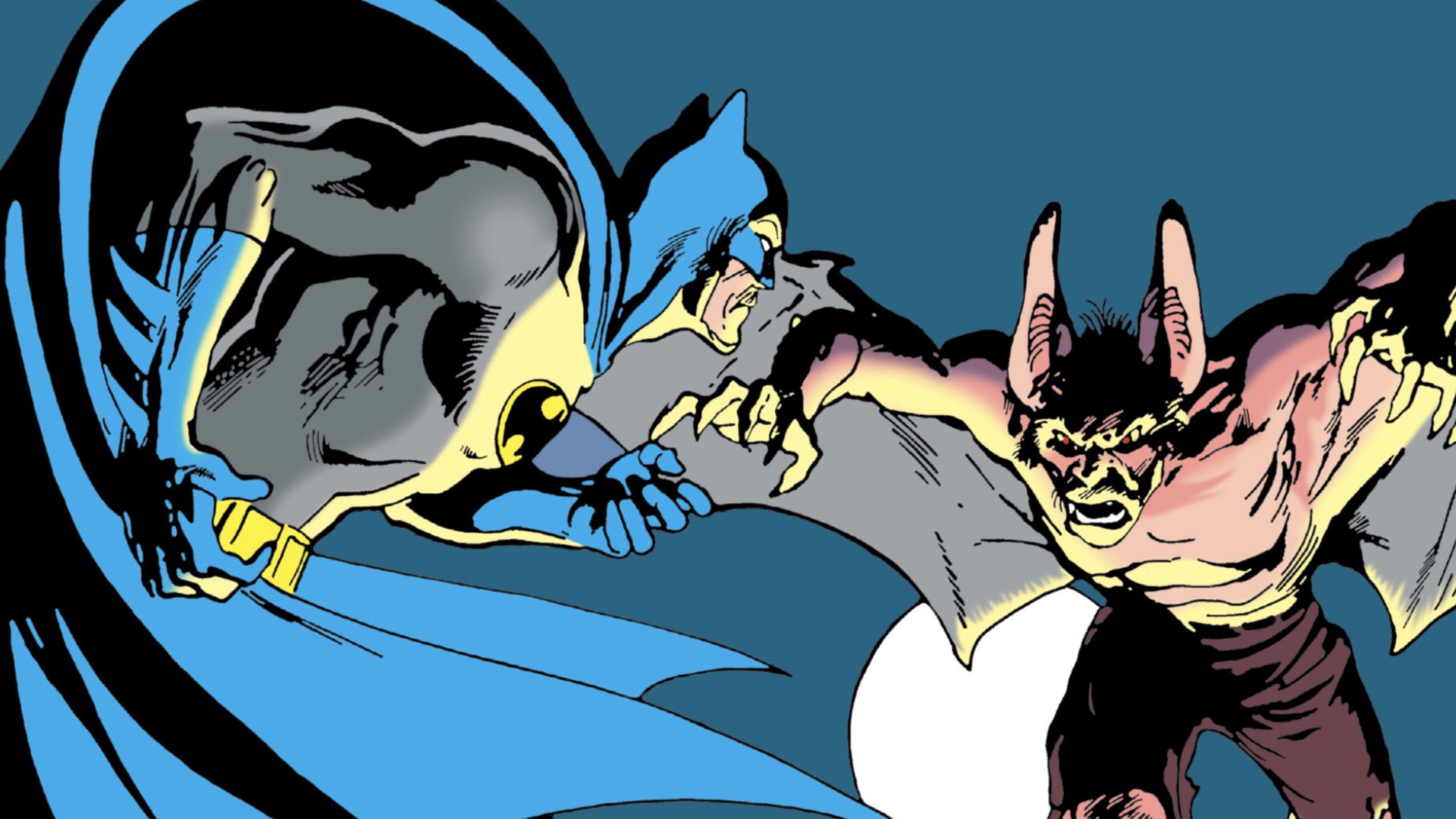
By 1970, just a year subsequently co-creating Sauron, Adams had become massively popular as the artist of several of DC's Batman titles. In the watershed Investigator Comics #400, Adams, author Frank Jerome Robbins, and editor Julius Schwarz introduced Man-Clobber, the alter egotism of scientist Kirk Langstrom, who becomes a behemoth, humanoid lick when he takes a exceptional serum of his own making.
It's in all likelihood not a coincidence that just a bit while later on his human-bat-hybrid design was rejected at Marvel, Neal Adams introduced a similar type at DC - placard that Kirk Langstrom and Karl Lykos even give the same initials. And despite seemingly skirting the Comics Cipher Authorities rules against depicting vampires (and, in a way, werewolves too), Humankind-Bat made it to the page.
Man-Squash racquet's introduction in the DC World was declarative mood of changes to come in the CCA's rules around horror characters - changes which put Roy Thomas back in judgement of vampires when he took over composition Amazing Spider-Man for old writer (and co-creator) Stan Spike Lee.
Robert Edward Lee's departure from the title once once again took Peter Parker in a mad science direction, with Robert Edward Lee's final plot for Amazing Spider-Man #100 involving Peter taking a special serum meant to eliminate his spider-powers and allow him to live a natural life-time.
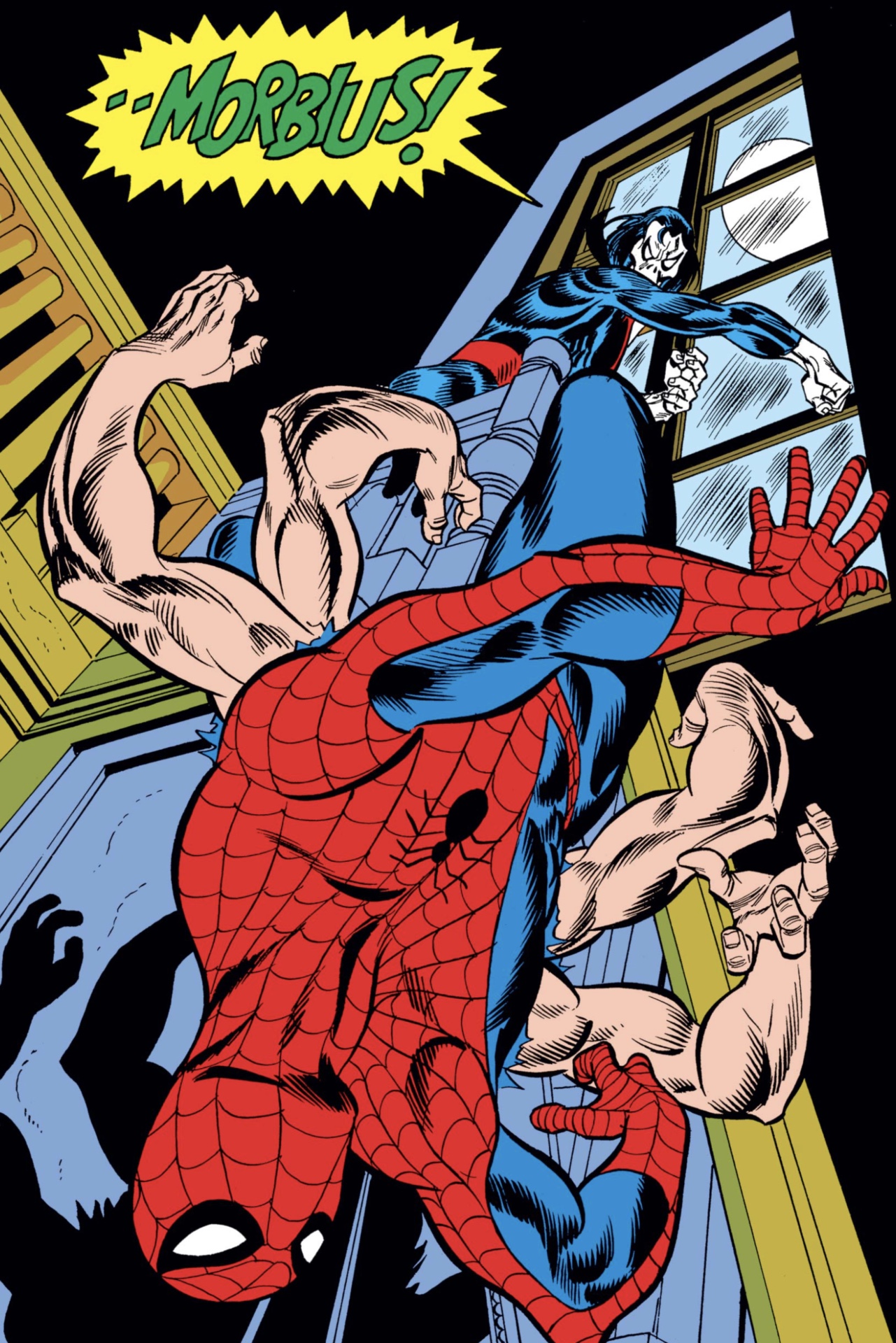
But instead of the desired effects, Peter becomes someway regular more spider-like, healthy iv extra arms stunned of his torso - undergoing his own spider transformation thanks to a special serum. Is this the influence of Man-Bat coming back around to Marvel? It's hard to say - but years later Spider-Man: The Animated Series modified the story taking it even further with Peter's serum transforming him into a full-on Man-Spider (yes, name included).
For Thomas the doubting Apostle' part, he and artist Gil Kane picked up the tarradiddle in Amazing Spider-Man #101 by having St. Peter Charles Christopher Parke clave geneticist Dr. Michael Morbius, whose research into his own rare pedigree disease inside-out him into a lamia-the like wight who feeds on it pseudo-scientific discipline catchall of 'lifeforce' rather than roue. And in this way, Morbius the Living Vampire, as helium speedily came to be called, followed Thomas' first idea of a vampire-like character whose powers get from science rather than mysticism that was kickoff adapted into Sauron.
Not overnight after Morbius' introduction, Marvel Comics leaned even further into repulsion, thanks to the continued relaxation of CCA restrictions on horror characters, introducing their own version of Bram Stoker's Genus Dracula whose rubric, House of Dracula, spun-off characters such as Blade, Lycanthrope Aside Night, and more.
And, in an appropriate full-circle bit, Dracula even fought the X-Men in a fan-favorite story (appropriately known as X-Men Vs. Genus Dracula), in which he temporarily turned Rage into a vampire.
And as for Roy Thomas, he kept on with his penchant for bringing horror into superhero comics by turn J. Jonah Jameson's son John Jameson into Man-Wolf - another version of a standard horror flic monster with a twist.
Wonder's Dracula remains a presence in the Marvel Universe, with the lamia lord recently feuding with X-Forcefulness and the Avengers in separate tales. And of course, Morbius is about to get his own Sony movie - with Blade the Vampire Hunter coming to the MCU in a boot film, and Wolfman By Night spin-soured part Moon Dub getting his own MCU testify. And there are even reports that a rendering of Werewolf By Night will come to the MCU in a 2022 Disney Plus Halloween special.
And to think, Wonder's repugnance legacy all started with vampire dinosaurs.
Do you love the intersection of comic books and horror? Check out the best repugnance comics ever as we head into spooky season.
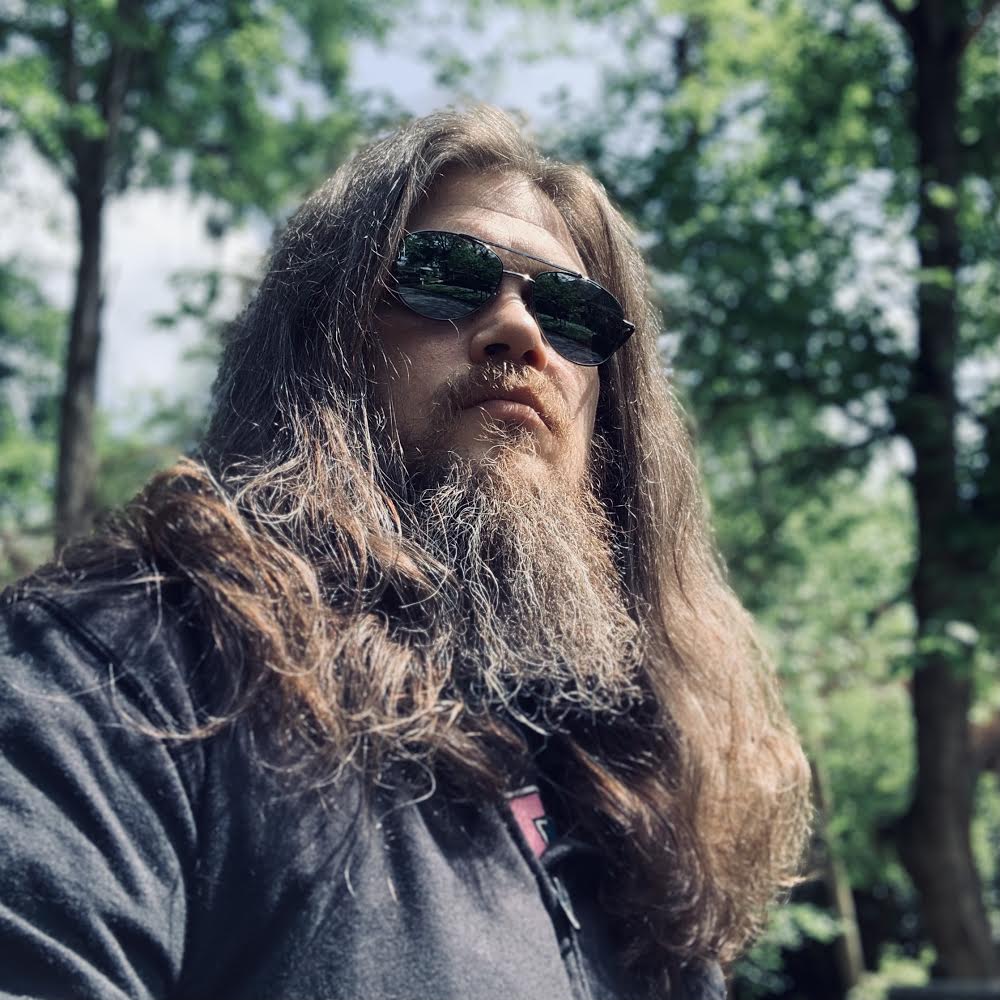
I've been Newsarama's resident Marvel Comics proficient and general comic book historian since 2011. I've also been the on-site reporter at most major comic conventions much as Comic-Con International: San Diego, New York Comic Victimize, and C2E2. Outside of comic news media, I am the artist of many weird pictures, and the guitarist of many heavy riffs. (They/Them)

Source: https://www.gamesradar.com/how-marvel-comics-fooled-comic-book-censors-by-turning-vampires-into-dinosaurs/
Posted by: matthewsbuls2001.blogspot.com
0 Response to "How Marvel Comics fooled comic book censors by turning Vampires into Dinosaurs - matthewsbuls2001"
Post a Comment